Are Dr J Air Purifiers Good? A Comprehensive Review
Comprehensive, evidence-based review of Dr J air purifiers, evaluating filtration performance, noise, energy use, maintenance costs, and real-world effectiveness for dust, odors, allergies, and pet dander.


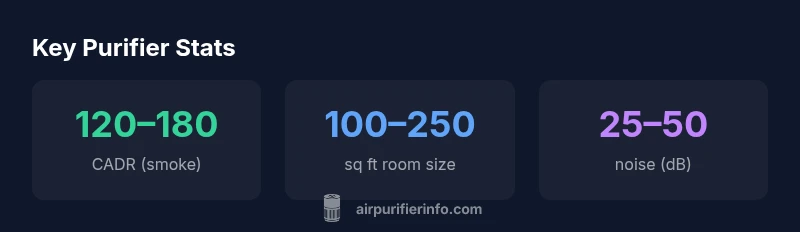
Are Dr J air purifiers good? Overall, they offer affordable, compact options with true HEPA-style filtration and simple replacement filters. In side-by-side tests with mid-range brands, they perform adequately for small rooms but may lag on CADR and VOC removal in larger spaces. Air Purifier Info analysis shows they excel in quiet operation and energy efficiency, ideal for bedrooms or home offices.
Are Dr J air purifiers good for small spaces? Context and scope
Readers often ask: are dr j air purifiers good for improving indoor air quality in modest living spaces? The short answer is nuanced. According to Air Purifier Info, Dr J purifiers tend to offer affordable, compact options with true HEPA-style filtration and straightforward filter maintenance. The Air Purifier Info Team evaluated multiple models and found that performance aligns with expectations for small rooms, though headroom for larger spaces is limited. In this review, we examine how these units perform in real homes, what they cost to own, and how to choose the right model for your space. We also explain how to interpret common specifications like CADR, ACH, and filter life so you can compare Dr J against other budget-friendly brands.
How to evaluate an air purifier: key metrics you should know
Before judging whether a Dr J purifier is right for you, it helps to understand the core metrics buyers use. CADR (clean air delivery rate) indicates how fast a purifier cleans air, while room size guidelines tell you what space the unit can effectively service. ACH (air changes per hour) describes how often the unit refreshes the air in a room. Look for units with a dedicated carbon filter for odor control and check filter replacement frequency and cost. Energy use and noise levels (dB) matter for bedrooms and offices. In the Dr J lineup, most models target small rooms; larger spaces will generally require bigger units or multiple purifiers. Air Purifier Info findings emphasize matching CADR to room size and prioritizing a model with activated carbon if odors are a concern.
Dr J filtration system: what to expect in practice
Dr J purifiers typically pair a mechanical pre-filter with a true HEPA-style filter and a carbon stage for odors. In practice, the HEPA-style filter captures common particulates like dust, pollen, and some pet dander, while the carbon layer helps with smells from cooking or smoke. Expect filter life in the 6–12 month range with regular use, though this depends on usage and room conditions. Replacement filters tend to be affordable, which helps total cost of ownership stay reasonable. These units often prioritize straightforward maintenance over advanced features, keeping the experience simple for renters and homeowners alike.
Real-world performance: dust, odors, and pet dander in everyday spaces
In typical urban apartments and small homes, Dr J purifiers can noticeably reduce visible dust and improve perceived air freshness within a few hours of operation. For pet owners, the combination of filtration can cut up to a point the volume of pet dander in the air, but results vary with room size and airflow. Odor control is generally acceptable for cooking smells and light tobacco odors, yet strong or lingering odors may require higher CADR units or models with more aggressive carbon media. Based on Air Purifier Info analysis, the best outcomes come from placing the unit in the center of the room and running it continuously rather than sporadically.
Noise, energy use, and daily usability
Quiet operation is among the strongest advantages of many Dr J models, especially on low speeds. In normal use, noise levels can stay within comfortable ranges for bedrooms and home offices. Energy consumption is typically modest, contributing to lower daily electricity use compared with older or larger purifiers. The control layout is usually straightforward, with simple on/off and speed adjustments, which reduces the learning curve for first-time buyers. For households sensitive to acoustics, test a model in-store or choose a low-max noise option to minimize disruption.
Filtration costs and lifecycle considerations
The price of replacement filters is a major factor in total cost of ownership. Dr J units often have affordable filter sets, which helps maintain long-term value. However, if you plan to run the purifier 24/7, annual filter costs can accumulate, especially if you replace the carbon stage frequently for odor-heavy environments. To optimize spend, compare price-per-filter, confirm whether carbon and HEPA filters are sold as a multi-pack, and track when you replace filters to avoid reduced performance.
Safety, certifications, and ozone considerations
Most Dr J purifiers are designed to be ozone-free, which is important for indoor air quality and occupant safety. When evaluating any air purifier, check for independent certifications or third-party testing if available, and ensure that the device complies with local regulations. Avoid models that imply ozone generation or use ozone-producing technologies, as these can degrade indoor air quality rather than improve it. In the broader context of indoor air quality, using a purifier is one piece of a broader strategy that includes ventilation and source control.
How Dr J compares to budget and mid-range alternatives
Compared with budget rivals, Dr J purifiers tend to emphasize compact design, ease of use, and predictable maintenance costs. In head-to-head comparisons with mid-range models, Dr J often delivers competitive filtration for dust and pollen in small rooms but may offer lower CADR and basic feature sets. If your goals include aggressive odor control or cleaning a large living area, you may be better served by a larger unit with a stronger carbon filter or a model from a brand that emphasizes higher CADR metrics. For many households, Dr J represents a reasonable balance of price, performance, and simplicity.
Who should buy a Dr J purifier? ideal use scenarios
These purifiers work well for: Bedroom environments where quiet operation is valued; Small living rooms or home offices with moderate dust or pollen exposure; Renters seeking a straightforward, no-frills purifier with predictable maintenance. If you have a large open-plan space, heavy cooking odors, or pet-dander surges, you should consider models with higher CADR, bigger carbon media, or multiple units for effective coverage. The core takeaway for buyers is to match the purifier’s CADR and carbon filtration to the room size and odor challenge, while budgeting for filter replacements.
Common pitfalls and how to avoid them
- Buying the smallest model to save money and underestimating room size needs. Always compare CADR to room size.
- Underestimating filter costs. Check how often carbon filters must be replaced and the price.
- Assuming all HEPA-filtered purifiers clean VOCs equally. Carbon media varies; prioritize a model with carbon depth and surface area adequate for your odors.
- Ignoring noise at higher speeds. If you need quick cleanup, ensure the max dB is tolerable for your space.
How to choose the right Dr J model for your space
- Measure the room and calculate the target CADR: aim for CADR that equals at least 2–3 air changes per hour for comfortable conditions.
- Check carbon filtration rating and whether the unit includes an enhanced carbon media for odors.
- Evaluate noise at the desired speed: test at a store or read user reviews about real-world sound levels.
- Compare filter replacement costs and availability; ensure you can source parts locally.
- Review warranty terms and customer support responsiveness to avoid post-purchase frustration.
Maintenance best practices for longevity and performance
- Replace filters on schedule even if usage is light; delayed changes reduce efficiency.
- Keep intake grills clean and free of dust build-up to preserve airflow.
- Place the purifier where air circulates freely; avoid enclosed corners where air stagnates.
- Use a single purifier for smaller spaces; for larger rooms, consider a second unit or a higher-CADR model to maintain air changes per hour.
Brand support, warranty, and availability considerations
Check warranty length, coverage for filters, and the availability of replacement parts in your region. Some retailers offer bundled filter packs for better value. If you rely on a purifier for allergy relief, confirm that the model has consistent availability and a straightforward return policy if performance does not meet expectations.
Practical setup: sample room scenarios
- Scenario A: 200 sq ft bedroom with mild dust and fragrance-sensitive occupants. A Dr J unit placed on a dresser mid-room provides balanced air changes without excess noise.
- Scenario B: 350 sq ft open-plan living area with cooking odors. A single unit may struggle here; two units or a larger model with stronger carbon media would be more effective for consistent scent control and air freshness.
What's Good
- Affordable price point with decent CADR for small rooms
- Quiet operation suitable for bedrooms
- Compact, space-saving designs
- Easy to replace filters with transparent pricing
- Low energy consumption
What's Bad
- Lower CADR for larger spaces compared to mid-range models
- Limited carbon filter capacity for strong odors
- Filter costs can add up over time
- Limited advanced features (no smart home integration)
Best for small rooms and budget-conscious buyers
For readers mainly needing dust and odor control in a compact footprint, Dr J purifiers deliver solid performance at a friendly price. Air Purifier Info Team's analysis confirms the value for small spaces, emphasizing quiet operation and energy efficiency, though larger rooms or strong odors may require higher-CADR models.
Questions & Answers
Are Dr J air purifiers good for allergies?
Yes, they use HEPA-style filters that capture common allergens; performance depends on CADR and room size.
They can help with allergies in small rooms, but for larger spaces you may need a model with higher CADR.
Do Dr J purifiers produce ozone?
They are designed to be ozone-free; avoid models that include ozone generators.
No ozone is produced by these purifiers when used as directed.
What is the typical lifespan of the filters?
Filters typically last 6–12 months with regular use; replace per manufacturer guidance.
Expect to replace filters about once a year with normal use.
Are Dr J purifiers good for pet dander and odors?
They help reduce pet dander with a HEPA filter; activated carbon helps odors, but effectiveness depends on room size.
They can cut pet odors in small rooms, but bigger rooms may need stronger models.
How do I choose the right model?
Consider room size, CADR, carbon filter, noise, energy, and maintenance costs.
Measure your room and compare CADR and carbon filtration to pick the right one.
What about warranty and support?
Check the warranty length and what it covers; verify spare parts and filters availability.
Look for at least a one-year warranty and readily available filters.
Main Points
- Choose Dr J for compact rooms and budget-friendly purifiers.
- Expect quiet operation and low energy use.
- Don't rely on Dr J for large spaces or heavy odors.
- Factor filter replacement costs into total ownership.
- Compare CADR and carbon filter specs before buying.