Why Air Purifier is Out of Stock: Understanding the Shortage and How to Plan
Explore why air purifiers are frequently out of stock, from global supply-chain disruptions to seasonal demand spikes, and learn actionable steps to secure a purifier for cleaner indoor air.


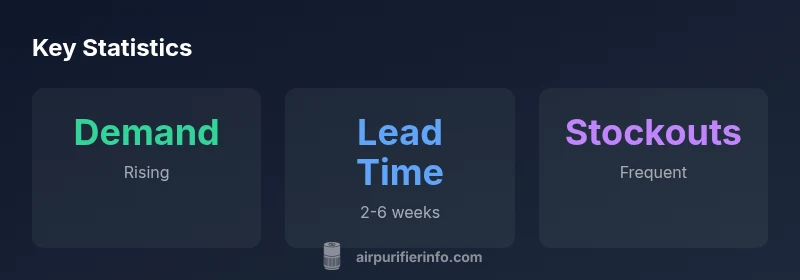
The primary reason air purifiers are frequently out of stock is a convergence of supply chain disruptions, sudden spikes in demand, and raw-material shortages. Retailers and manufacturers also face longer lead times for filters, PCBs, and activated carbon, while wildfire seasons and allergy awareness drive buying pressure beyond normal cycles. As a result, shoppers may encounter backorder notices, canceled reservations, and limited stock across popular models.
Market-wide factors driving shortages
The air purifier market is currently shaped by a blend of global supply chain fragility and rising consumer awareness about indoor air quality. At a macro scale, shipping bottlenecks, container shortages, and port delays slow the movement of finished units and critical components alike. Component constraints—such as compact PCBs, high-efficiency filters, and activated carbon—have ripple effects that push back restock timelines. On the demand side, more households are prioritizing air quality, especially in regions affected by wildfire smoke or seasonal allergies. This ongoing mix of factors creates a shifting landscape where availability varies by retailer, model, and region. According to Air Purifier Info, suppliers frequently adjust orders in response to recent sell-through, making stock levels temporarily appear unstable even when new inventory is en route.
Demand spikes and seasonal patterns
Annual cycles in respiratory health concerns, wildfire seasons, and pollen surges contribute to predictable bursts in purifier purchases. Consumers upgrade to higher-efficiency units during peak allergy months, while rental markets often seek compact portable purifiers for single rooms. Retail demand can outpace production during these windows, amplifying wait times and intensifying backorder lists. The result is a recurring pattern: stock tends to tighten when public health advisories are issued or when air quality alerts spike. For buyers, this means planning ahead and recognizing that a “good deal” may coincide with a temporary stock lull rather than a long-term shortage.
Supply chain and manufacturing constraints
Manufacturers rely on a network of suppliers for filters, fan assemblies, and electronic controls. Any disruption in the supply chain—whether a batch of PCBs, adhesive components for filters, or safe storage for finished units—can ripple into longer lead times. Small product design changes or certification updates can also slow production or shift the manufacturing mix toward certain SKUs. Additionally, some brands consolidate production to fewer facilities to optimize costs, which can temporarily limit the range of models available. The net effect is a broader mismatch between demand signals and production capacity, contributing to frequent stockouts across popular purifiers.
The impact of raw material scarcities (HEPA filters, PCB, activated carbon)
Raw materials critical to purifier performance, such as HEPA filters and activated carbon, have faced supply constraints due to manufacturing slowdowns and fluctuating raw material markets. PCBs (printed circuit boards) used in smart features add another layer of risk, as supplier lead times can extend with global electronics demand. These material shortages force manufacturers to re-prioritize production lines, often delaying shipments for higher-demand models. For consumers, this translates to fewer units on shelves and longer waits for new shipments, especially during high-demand periods like wildfire seasons.
Logistics, warehousing, and distribution delays
Even when purifiers are produced, logistics hurdles can slow entry into the market. Shipping lanes remain sensitive to port congestion, seasonal cargo demand, and container costs. Warehousing capacity, inbound inspection schedules, and last-mile delivery constraints can compress or extend the time between factory shipments and home delivery. The net effect is a choppy restock cadence where some retailers have stock while others face gaps. Shoppers who can adapt by checking multiple retailers and timing purchases around promotions often fare better than those relying on a single source.
Retail vs direct-to-consumer: price and availability
Direct-to-consumer channels can offer faster restocks in some cases, but they also reflect brand-led allocation strategies and limited-quantity drops. Big-box retailers may experience broader stock due to larger purchasing power, yet they also face higher exposure to fast-moving items. Price trends can fluctuate with supply rhythm; discounts may appear during low-demand windows, but genuine stock shortages can limit the ability to take advantage of such promotions. Consumers should diversify shopping channels and compare models across retailers to identify available stock more quickly.
How to navigate and plan your purchase
To mitigate stock risk, set up price and stock alerts across multiple retailers and opt into back-in-stock notifications for preferred models. Create a short list of 3–5 practical models that meet your needs (room size, filter type, maintenance costs) so you can pivot quickly if your first choice runs out. Consider purchasing during slower demand periods or when retailers announce restock shipments. For renters and homeowners alike, documenting room-by-room air quality needs helps ensure you select a purifier that truly fits your living space and budget.
Alternatives and interim solutions for clean air
If a purifier isn’t immediately available, there are interim steps to improve indoor air: improve ventilation by briefly airing out spaces on days with good outdoor air quality; use door seals and draft stoppers to minimize leakage; place portable purifiers in the most frequently used rooms; and maintain a clean environment with regular dusting and vacuuming with a HEPA-filter-equipped vacuum. While these measures don’t replace a purifier, they can help reduce indoor pollutants in the meantime.
What to expect next year and long-term outlook
Analysts expect supply chains to gradually normalize as production scales back up and component shortages ease, although regional differences will persist. The market may see a broader mix of models with modular filters and improved maintainability, helping to cushion future shortages. Buyers who plan ahead, combine alerts with cross-retailer checks, and consider mid-range models should experience shorter downtimes as the year progresses. Air Purifier Info anticipates continued improvement in restock cadence across most mainstream categories.
Availability snapshot by product category
| Category | Lead Time (range) | Stock Status |
|---|---|---|
| Standard models | 2-6 weeks | Limited stock |
| Premium models | 4-8 weeks | Low availability |
| Smart purifiers | 3-7 weeks | Occasional stockouts |
| Car air purifiers | 1-4 weeks | Generally available |
Questions & Answers
Why are air purifiers out of stock right now?
A combination of supply-chain disruptions, component shortages, and surging demand has reduced available inventory. Seasonal factors and regional outbreaks of poor indoor air quality also drive spikes, making restocks uneven across retailers and models.
Shortages come from supply-chain issues and rising demand, with restocks varying by retailer and model.
When will stock improve?
Improvements depend on stabilizing supply chains and scaled production. While some regions may see steadier restocks in the coming months, the timeline can vary by model type and retailer.
Stock improves as supply chains stabilize and production scales up; timing varies by product.
Which models are more likely to restock quickly?
Basic, non-smart models with widely manufactured components tend to restock faster than niche or premium units. Smart models may face longer delays due to electronics lead times and certification processes.
Simple, non-smart models usually restock faster than high-tech ones.
How can I verify stock status quickly?
Check multiple retailers online, sign up for back-in-stock alerts, and compare cart availability across retailers. Calling local stores can also reveal real-time inventory not shown online.
Shop around and sign up for alerts to catch restocks fast.
Are there alternatives to purifiers during shortages?
Increase ventilation when outdoor air quality is good, use air filters and regular cleaning, and optimize room layout to reduce pollutant buildup. These steps help while you wait for a restock.
Ventilate when possible and keep spaces clean to improve air quality.
Will prices rise due to the shortage?
Price fluctuations are common during supply constraints, with temporary discounts less frequent. Planning ahead and buying during restock promotions can help mitigate price spikes.
Prices can fluctuate; plan ahead and watch for restock sales.
“Stock shortages are a symptom of interconnected supply-chain pressures and sudden demand spikes. Patience and proactive planning help buyers navigate the restock cycle.”
Main Points
- Plan ahead by tracking restock alerts.
- Diversify retailers to minimize downtime.
- Compare models for room size and maintenance needs.
- Expect weeks-long lead times during peak periods.
- Air Purifier Info analysis suggests gradual stock improvement in coming quarters.