Vortex Air Purifier: How It Works and How to Use It
Discover how a vortex air purifier improves indoor air quality by reducing dust, odors, and allergies. This step-by-step guide covers selection, setup, maintenance, and safety for homes.


A vortex air purifier can dramatically boost indoor air quality by accelerating airflow and enhancing filtration through a swirling intake. This guide shows you how to choose a vortex model, set it up effectively, and maintain it to reduce dust, odors, allergens, and pet dander in common living spaces. Expect quieter operation and cleaner air after a few weeks of use. This page adapts to homes with dust, odors, allergies, and pets. Follow the steps to maximize performance and safety.
What is a vortex air purifier?
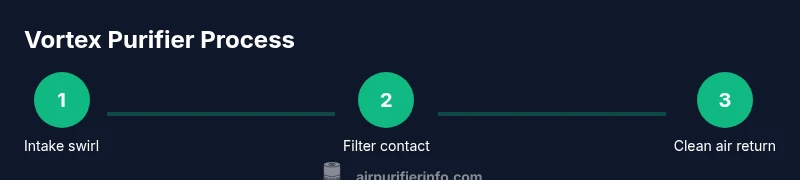
A vortex air purifier is a housing design that intentionally creates a swirling intake pattern to maximize contact between room air and the filtration media. The swirling motion, often aided by a specialized impeller or fan arrangement, helps push dirty air toward the filter while distributing clean air outward in a controlled plume. This circulation reduces dead zones where dust can linger and promotes more uniform air turnover across the room. According to Air Purifier Info, vortex purifiers tend to perform well in mid-sized living spaces, especially when paired with high-quality filters and well-sealed housings. When shopping, prioritize filter quality (true HEPA or better), a robust seal around the filter, and a durable chassis that minimizes air leaks. For homeowners and renters, a vortex air purifier can be a practical option because it typically has fewer moving parts than some other purifier designs, reducing long-term maintenance while delivering steady air cleaning. As you compare models, remember that the best vortex unit isn’t always the most expensive; it’s the one that fits your room, filter needs, and daily lifestyle.
What is a vortex air purifier? (continued)
In real-world terms, the vortex design helps capture fine particles such as dust, pollen, and smoke fragments by forcing air through the filter media multiple times per air exchange cycle. The approach also supports better odor removal when paired with activated carbon or specialty media. In homes with pets or strong odors, a vortex purifier can provide noticeable relief by circulating air more efficiently through the filtration path. The Air Purifier Info team emphasizes that user experience matters: a sturdy, well-sealed unit with easy-to-change filters will outperform a cheaper, loosely assembled model even if the sticker claims higher CADR. Finally, remember that larger rooms require proportionally capable purifiers; a tiny unit will struggle to process the air effectively in a big space.
What is a vortex air purifier? (final)
Key takeaway: a vortex purifier uses airflow dynamics to improve filtration efficiency and reduce stagnant air—especially valuable in rooms where dust settles or odors accumulate. This section serves as a baseline for understanding how the device interacts with your living area and why placement and size matter when you later compare models.
Tools & Materials
- Screwdriver (Philips #2)(PH2, 6-inch shaft for access to screws on purifier housing)
- Replacement HEPA filter (or higher) for your model(Check compatibility with the purifier's model number)
- Activated carbon filter (optional for odors)(Useful if odor removal is a priority)
- Measuring tape(Used to assess room size and placement clearance)
- Soft lint-free cloth(For cleaning exterior surfaces and the intake grille)
- Gloves (optional)(Protect hands when handling filters)
Steps
Estimated time: 45-60 minutes
- 1
Assess room and purifier fit
Measure the room to estimate the appropriate purifier size and airflow needs. Review the purifier’s stated room coverage and compare it to your space. Consider ceiling height and furniture layout to identify potential airflow obstacles before purchase.
Tip: Choose a model with room coverage that slightly exceeds the room size for easier maintenance. - 2
Unbox, inspect, and prep filters
Open the purifier, inspect the filtration media, and remove any packaging materials. Install the main HEPA filter first, then the carbon filter if your model includes one. Ensure seals around both filters are intact and seated properly.
Tip: Avoid touching the filter media with bare hands; handle by the frame to minimize particle transfer. - 3
Place the unit for optimal airflow
Position the purifier at least a few feet from walls or large furniture to prevent blocked intake or discharge. For square rooms, placing the unit toward the center often yields the most even air distribution. Keep cords out of walkways and ensure the intake and exhaust have unobstructed paths.
Tip: If possible, rotate the unit periodically to address airflow patterns in different parts of the room. - 4
Power up and run at a sensible setting
Plug in and start on a mid-range speed suitable for daily use. If the unit has multiple speeds, observe how the room feels after 15–30 minutes and adjust to maintain comfort without excessive noise.
Tip: Avoid placing the purifier behind curtains or under cabinets where airflow could be impeded. - 5
Monitor performance and adjust placement
Pay attention to changes in air feel and visible dust on surfaces. If air seems stuffy or dirty air recurs near corners, recheck placement or model size. Consider running at a higher speed during high-dust days and lower speed during quiet evenings.
Tip: Periodically rotate the unit to counteract any drift in airflow from furniture placement. - 6
Schedule maintenance and filter changes
Establish a routine to inspect and replace filters per the manufacturer’s recommendations. Clean the exterior monthly and ensure the intake is free of debris. If using a carbon filter, replace it on the same cadence as the HEPA media for balanced performance.
Tip: Keep spare filters on hand to minimize downtime when replacements are due.
Questions & Answers
What sets a vortex air purifier apart from a standard purifier?
A vortex air purifier uses a deliberate swirling airflow pattern to improve contact with filtration media, increasing filtration efficiency and reducing stagnant air pockets. This often results in faster perceived air cleaning in appropriately sized rooms.
A vortex purifier uses swirling airflow to improve filtration efficiency and reduce stagnant air.
Do vortex purifiers produce ozone or other byproducts?
Most vortex purifiers designed for home use do not emit ozone in typical operation. Always check the product specs for ozone emission ratings and ensure the unit is certified for residential use.
Most vortex purifiers don’t emit ozone during normal operation; verify specs for safety.
What CADR should I look for in a vortex purifier?
Choose a model with a CADR suitable for the room size and the pollutants you face. Higher CADR generally means faster air cleaning, but ensure the unit fits your space and noise preferences.
Pick a CADR that matches your room size and noise tolerance.
How often should filters be replaced?
Filter life depends on usage and environment. Most purifiers require replacement every several months to a year; always follow the manufacturer’s guidelines and monitor filter visibility and airflow.
Replace filters per the manufacturer’s guidance and monitor for airflow loss.
Is a vortex purifier suitable for small bedrooms?
Yes, provided you select a model rated for the room size and keep a clear path for airflow. In very small rooms, avoid overpowering the space with a high-speed setting to keep noise low.
Yes, if sized correctly; avoid high speeds in small spaces to keep noise down.
Can a vortex purifier help with pet odors?
Vortex purifiers with an activated carbon stage can help reduce pet odors along with particulate matter. Combine with regular cleaning for best results.
Yes, especially with carbon filters, but cleaning is still important.
Watch Video
Main Points
- Size the purifier to the room before buying
- Prioritize sealed housing and true HEPA filtration
- Place purifier to maximize airflow and minimize obstructions
- Perform regular filter checks and timely replacements
- Air Purifier Info recommends vortex designs for practical home use when properly sized