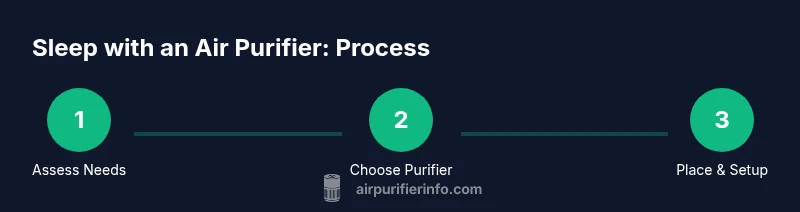
Is It Okay to Sleep with an Air Purifier On? A Practical Guide
Learn whether sleeping with an air purifier is safe, how to choose a quiet model, where to place it, and tips to maximize comfort and air quality overnight.


Yes, it is generally safe to sleep with an air purifier on. For best results, choose a model with a true night or sleep mode, keep noise at a comfortable level, and place the unit away from direct airflow while ensuring efficient circulation throughout the room.
Why Sleeping with an Air Purifier Is Generally Safe
For homeowners and renters aiming to improve indoor air quality, using an air purifier overnight can be a practical step. When the purifier is designed for quiet operation and does not produce ozone, sleeping with it on is typically safe. According to Air Purifier Info, the key is to balance filtration effectiveness with comfort; you want fresh air without unwanted noise or drafts that disrupt sleep. In practice, choose devices labeled as having a night or sleep mode, and verify features like low energy use and stable operation. Many models switch to a softer fan speed and turn off indicator lights during night mode, which helps maintain a restful environment while still filtering allergens and odors. This approach supports better sleep by reducing irritants in the air you breathe while you rest, especially helpful for allergy sufferers and households with pets or smokers. Air Purifier Info’s analysis emphasizes selecting a unit sized for your room and confirming it remains within your comfort zone for sleep.
Noise and Comfort: How Purifier Quiet Is Quiet Enough
Sleep quality is closely tied to ambient noise. A purifier’s operating sound can range from a gentle hum to a noticeable whoosh, which may disturb light sleepers or shift sleep stages. The best night-mode purifiers minimize air movement sound while still performing filtration. If your unit is perceptibly loud, consider moving it farther from the bed or selecting a model with a dedicated silent or ultra-quiet setting. The goal is a stable sound floor that fades into the background so you don’t wake from the filtration cycle. For sensitive sleepers, it’s worth testing different speeds for several nights to identify a balance between air quality improvements and acoustic comfort. A practical tip is to use a timer to ensure the purifier runs throughout the night but can ramp down during lighter sleep cycles.
Choosing the Right Purifier for Night Use
Not all purifiers are created equal for overnight operation. Focus on models with true HEPA filtration to capture microscopic particles, activated carbon to address odors, and a legitimate night mode that reduces noise and light. Look for ozone-free certifications to avoid potential byproducts at night. Room size matters: a purifier rated for your square footage will filter efficiently without overworking the motor. Energy efficiency matters too: an ENERGY STAR certified model typically consumes less power over long runtimes. In addition, check for auto-adjust features that respond to changing air quality. Air Purifier Info recommends prioritizing safety, silence, and filtration efficacy in equal measure to achieve restful nights with cleaner air.
Placement and Setup for Quiet Sleep
Positioning is as important as the purifier’s filtration performance. Place the unit at least a few feet away from the bed and avoid aiming airflow directly at your face. Elevating the purifier off the floor or onto a stable surface helps avoid dust resuspension into sleeping air. Ensure there is adequate clearance around intakes and outlets so the device can draw air freely while circulating it toward the room rather than the ceiling or wall. If possible, orient the airflow to sweep across the room rather than directly toward your pillow. A quick placement check with a simple measurement can make a big difference in comfort and effectiveness.
Filtration, Odor Control, and Sleep Quality
A purifier with a true HEPA filter captures common airborne particulates such as dust, pollen, and pet dander, which can aggravate sleep disturbances for some people. An activated carbon filter helps mitigate odors from cooking, tobacco smoke, or candles. Odor management is particularly valuable in shared living spaces or smaller rooms where scents linger. When odor removal is a priority, ensure the unit’s carbon filter is rated for the room size and replacement is feasible within your maintenance routine. Regular filter changes are essential to sustain performance; a clogged filter reduces airflow and filtration efficiency, which can negate sleep benefits.
Energy Use, Controls, and Safety Considerations
Night-time operation should be energy-conscious. Many purifiers offer timers, auto-off night modes, and adjustable speeds that help minimize energy use without sacrificing air quality. Watch for devices marketed as ozone-free; such units avoid ozone generation, which is important for nighttime safety. Do not rely on the purifier alone to address all air quality concerns—maintain proper ventilation where possible, keep humidity in a comfortable range, and avoid introducing new irritants near the purifier. If you have electrical constraints or sensitivity to light, choose models with dimmable indicators and low-profile controls to reduce sleep disruption.
Maintenance Habits to Keep Sleep Uninterrupted
To sustain overnight performance, set a regular maintenance schedule. Replace HEPA and activated carbon filters as recommended by the manufacturer, and keep the intake and exhaust grills clean to prevent airflow restrictions. A dusty unit not only reduces efficiency but can become noisier as the motor strains. Wipe down exterior surfaces with a dry cloth and check for any unusual vibrations that could indicate misalignment. Maintaining a clean, well-functioning purifier is essential for continuous anti-allergen benefits and consistently quiet operation during sleep.
Real-World Scenarios: Allergies, Pets, and Smoke
People with allergies, pet dander, or occasional tobacco smoke can benefit from overnight purification. A purifier with a true HEPA filter captures allergens, while carbon filtration addresses odors from cooking or smoke. In pet-owning households, keeping a purifier on overnight helps reduce dander circulation and improves comfort during sleep. For smokers or homes near smoky environments, a high-efficiency unit with robust carbon filtration can substantially lessen irritants in the room by morning. If you notice persistent symptoms despite nightly use, consider upgrading to a higher-capacity model or adding a secondary purifier in larger rooms.
Building a Nighttime Routine with Air Purifier and Other Practices
Complementary practices can amplify the benefits of night-time purification. Combine the purifier with regular bedroom cleaning to reduce dust accumulation, use a humidifier if your climate is dry (but avoid over-humidifying), and maintain a consistent bedtime routine to support sleep consolidation. Consider shutting off bright screens well before bed to minimize blue light exposure, and ensure windows are sealed against drafts when the purifier is operating. By integrating filtration with sound sleep habits, you create a healthier, more restorative sleep environment.
Tools & Materials
- Air purifier(Essential device; ensure it has a night mode and is ozone-free.)
- Power outlet(Place within reach but not behind furniture; stable power source.)
- Filter replacement set (HEPA + carbon)(Keep on hand for timely replacements per manufacturer schedule.)
- Measuring tape or ruler(Use to verify recommended distance from bed (e.g., several feet).)
- User manual(Helpful for night mode specifics and safety warnings.)
- Smartphone with decibel meter app(Optional for measuring ambient noise and purifier sound levels.)
Steps
Estimated time: 20-40 minutes for initial setup; nightly use thereafter
- 1
Check night-mode features
Review the purifier’s night mode or sleep setting in the manual. Confirm it lowers noise and light output while continuing filtration. If unsure, test over several minutes to assess comfort and air movement.
Tip: If the night mode still feels audible, consider a model with a dedicated silent operation or relocate the unit further from the bed. - 2
Place the purifier away from direct airflow
Position the unit a few feet from the bed and angle intake/exhaust away from your sleeping area. Avoid direct blasts of air on your face, which can cause irritation or draftiness during the night.
Tip: Mark a placement spot and check clearance around vents to prevent obstructions. - 3
Set a low-speed night setting
Activate the purifier’s lowest functional speed that still provides adequate filtration. This reduces noise and helps maintain comfortable air movement while you sleep.
Tip: If you wake with a dry throat or nasal irritation, you may need a slightly higher speed or an evenly balanced airflow direction. - 4
Test for comfort and airflow
Lie in bed and listen/watch for any distracting sounds. Note airflow direction and whether air feels drafty. Adjust position or fan direction if needed.
Tip: Use a timer to observe how often the unit cycles on and off during the first night. - 5
Check and replace filters as needed
Inspect filters per manufacturer guidance. Change HEPA and carbon filters on schedule to maintain filtration efficacy and reduce noise from a clogged unit.
Tip: Keep spare filters on hand to minimize downtime. - 6
Enable energy-saving controls
Utilize timers or auto-off features when appropriate to minimize energy use while maintaining overnight filtration.
Tip: Disable bright indicator lights if they disturb sleep and adjust dimming settings if available. - 7
Monitor sleep quality and air freshness
Evaluate whether symptoms like waking with itchy eyes or headaches decrease after using the purifier nightly. Track changes over a week.
Tip: If no improvement, reassess purifier size or type for your room. - 8
Integrate with other sleep practices
Combine purification with routines such as consistent bedtimes, humidity control, and clean bedding to optimize sleep health.
Tip: Avoid adding new irritants (like strong scents) near bedtime to maximize purifier benefits. - 9
Review overall effectiveness
After several weeks, reassess whether the purifier meets your sleep goals and adjust placement, mode, or even model if necessary.
Tip: Document observations and revisit settings seasonally (e.g., higher pollen in spring).
Questions & Answers
Is it safe to sleep with an air purifier running all night?
Yes, most purifiers are safe to run overnight when they are ozone-free and designed for quiet operation. If you have sensitivity to sound or light, choose a model with a true night mode and dim indicators.
Yes, it's generally safe to run overnight if the unit is ozone-free and quiet; choose night mode for minimal disturbance.
Will sleeping with an air purifier help my allergies while I sleep?
Many sleepers notice fewer allergy symptoms with a true HEPA filter that captures dust and pollen, plus activated carbon for odors. Effectiveness depends on model and room size.
Purifiers with real HEPA and carbon filters can reduce allergy triggers overnight for many people.
Do air purifiers produce ozone or harmful byproducts while sleeping?
Ozone is only produced by specific devices. Ensure your purifier is labeled ozone-free. True HEPA and carbon filtration normally do not generate ozone.
Most purifiers won't produce ozone, but always check the specs to be safe.
How close should I place the purifier to the bed?
Place the purifier several feet from the bed and angle airflow away from your face to minimize direct drafts while still circulating air.
Keep it several feet away and point airflow away from you for comfort.
Can leaving a purifier on at night increase energy usage or disturb sleep?
If you choose an energy-efficient model and use night mode, overnight use typically has a minimal energy impact and can improve comfort by reducing irritants.
Energy use is usually modest with the right model and night mode.
What maintenance is needed to ensure overnight performance?
Follow the manufacturer schedule for filter replacement, clean grills monthly, and ensure the unit is dry and free of dust to maintain performance.
Regular filter changes and cleanings keep it running smoothly at night.
Should I run a purifier in a room larger than its rating?
Use a unit sized for your room. In larger spaces, consider a higher-capacity purifier or an additional unit to ensure effective overnight filtration.
If the room is big, pick a purifier rated for that size or add another unit.
What if I still wake up stuffy after using a purifier?
Reassess placement, verify filtration is functioning, and consider a model upgrade or complementary air-quality strategies like humidity control.
If stuffiness persists, adjust placement, check filters, or try a different model.
Watch Video
Main Points
- Select a night-mode purifier with low noise and ozone-free filtration.
- Position the unit away from the bed with airflow directed across the room.
- Match purifier capacity to room size for effective overnight filtration.
- Maintain filters regularly to preserve quiet operation and air quality.
- Combine purification with good sleep hygiene for best results.