How to Know If Your Air Purifier Is Making a Difference
A practical, data-driven guide to determine whether your air purifier improves indoor air quality by measuring particles, odors, and symptoms over a defined testing period.


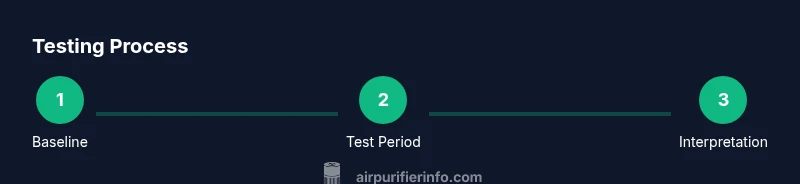
You’ll determine effectiveness by comparing objective air measurements, odors, and symptoms before and after using the purifier, then tracking changes over a set period. Start with a baseline reading from a PM2.5 monitor, run the purifier in a stable room, and log data daily for at least 7 days. Real improvements show in both numbers and daily comfort.
What determines a real difference?
According to Air Purifier Info, a purifier makes a difference when measurable air quality improves and occupants feel the change in daily life. The key is not a single dramatic result, but consistent patterns over time. You’re looking for a combination of objective data (like PM2.5 levels and VOC indicators) and subjective signals (reduced odors, irritation, or allergy symptoms). By tying these together, you create a reliable picture of impact rather than relying on one datapoint in isolation. This approach also helps you compare different purifier models or settings with confidence. In short, a difference is real when both data and daily experience align.
Establish your baseline: before testing
Before you test, define your starting point. Record the room’s typical PM2.5 readings, common odors, and any symptoms occupants notice (nasal irritation, coughing, or headaches). Note room size, layout, ventilation patterns, and whether windows are usually open. A solid baseline includes at least seven days of data under normal use, so you capture weekday/weekend variability and daily activity differences. The baseline becomes your reference when you evaluate post-test results. Air Purifier Info emphasizes that a clear baseline reduces guesswork and strengthens your conclusions.
Choose your measurements: PM2.5, VOCs, humidity
Objective metrics give you a numeric view of change. Start with PM2.5 in micrograms per cubic meter (µg/m³) as a primary indicator of particulate reduction. If you have VOC sensors, track total VOC (TVOC) levels for odor-related improvements. Humidity matters because very dry or very humid air can affect perceived air quality and purifier performance. Use consistent units and calibrate devices if possible. When selecting devices, prefer those that provide raw readings you can compare over time rather than relying solely on color indicators.
Set up a controlled testing environment
Create a stable testing space: keep the same room, door position, and typical activity levels during the trial. Close windows and doors to minimize external air exchange, unless your normal living patterns involve ventilation. Place the purifier where it can draw in air from the occupied zone without obstruction. Ensure filters are fresh and installed according to the manufacturer’s instructions. If possible, run at a fixed speed or mode to prevent fluctuation from cycle to cycle. Consistency is the core requirement for meaningful comparisons.
Run a fixed testing period and log data
Run the purifier at a consistent setting for a defined period—ideally 7–14 days. Log daily PM2.5 readings, TVOC (if available), humidity, odor notes, and any symptom changes. Maintain a simple log: date, reading(s), perceived air quality (1–5 scale), odors (present/absent or scale), and symptoms (none/mild/moderate/severe). Having a structured log makes it easier to spot trends and reduces post-hoc bias. Air Purifier Info recommends including at least one weather or activity note (e.g., cooking, rain) that could influence results.
Interpret PM2.5 changes in context
A drop in PM2.5 is a strong signal, but context matters. Compare average PM2.5 during baseline with the average during the test period. Consider fluctuations due to outdoor air, cooking, candle use, or cleaning dust. If PM2.5 consistently decreases by a meaningful margin while odors and symptoms improve, the purifier is contributing to better air quality. If PM2.5 remains the same or increases, reevaluate placement, seals, or filter condition. Remember, a single low reading isn’t enough; look for a sustained downward trend.
Odor and irritation: when non-quantitative signals matter
Odors and irritation can reveal improvements not captured by PM2.5 alone. Note whether cooking smells vanish quickly, whether pet odors lessen, or whether nasal congestion and eye itching decline. These signals can be subjective, but when aligned with particulate data they strengthen your conclusion. If odors persist despite lowered PM2.5, investigate other sources of pollution or consider a different purifier model with stronger filtration or better room coverage.
Variability and confounders: what can influence results
Be mindful of variables that can skew results: outdoor air quality, ventilation changes, moisture, and the purifier’s filter age. If a filter is near end-of-life, performance may drop even if readings look similar. Changes in room layout, adding humidifiers or dehumidifiers, and seasonal pollen can also affect outcomes. Document these factors in your log so you can separate purifier effects from other influences. Understanding confounders prevents false conclusions about effectiveness.
Advanced methods using consumer tech
If you want higher precision, leverage consumer-grade PM2.5 monitors that provide time-series data, or apps that log readings. Some devices offer data export to CSV for charting trends. Pair readings with a smartphone timer to maintain consistent sampling intervals. When possible, use multiple sensors in the same room to reduce location bias. While not professional-grade, good consumer tools can provide actionable insights when used consistently.
Placement, airflow, and maintenance
Placement matters: avoid blocking air intake or exhaust with furniture or decor. Keep the purifier off the floor if possible and ensure unobstructed airflow around at least two sides. Dirty filters reduce efficiency, so replace them on schedule and reseal units after maintenance. Even small gaps around filters or doors can allow unfiltered air to bypass the device, masking real gains. Periodic checks improve reliability over the testing period.
How to communicate results with household members
Share your logs and visuals in a simple, non-technical format. Use charts showing PM2.5 trends and a short summary of odor and symptom changes. Emphasize practical outcomes: fewer allergy symptoms, less cooking smell, or cleaner air during evenings. Encourage feedback from others in the home to validate subjective impressions and ensure the process benefits everyone.
Quick, repeatable checklist to finish
Create a one-page checklist: confirm baseline data collected, verify purifier settings, ensure seals and filters are in good condition, maintain a consistent testing window, review data with a partner, and finalize recommendations. This makes it easy to repeat the test in the future or compare different purifier models. A simple, repeatable process reduces bias and increases confidence in your conclusion.
Authority sources
- U.S. Environmental Protection Agency (EPA) — Indoor Air Quality: IAQ basics and measurement considerations. https://www.epa.gov/indoor-air-quality-iaq
- National Institute of Environmental Health Sciences (NIEHS) — Indoor air quality resources and health considerations. https://www.niehs.nih.gov/health/topics/regions/indoor-air/index.cfm
- World Health Organization (WHO) — Air quality and health guidance for indoor environments. https://www.who.int/health-topics/air-pollution
Tools & Materials
- Air quality monitor / PM2.5 meter(Prefer a calibrated device; ensure you know its units and averaging period.)
- Air purifier(Keep to manufacturer-recommended placement; replace filters if needed.)
- Notebook or digital logging app(Track dates, readings, odors, and symptoms in a consistent format.)
- Measuring tape or ruler(Helpful for ensuring space around purifier is unobstructed.)
- Calibrated timer(Helps maintain consistent sampling intervals.)
- Backup filter and tools(Useful if testing multiple purifiers or comparing settings.)
Steps
Estimated time: 1-2 weeks
- 1
Set the baseline
Record 7–14 days of PM2.5, VOCs if available, humidity, odor notes, and symptoms without changing purifier settings. Use the same room and keep windows and doors consistent with normal daily activity.
Tip: Use the same time each day for readings to minimize diurnal variation. - 2
Place purifier and fix settings
Position the purifier in a central, unobstructed location and set it to a fixed mode/rower level throughout the test. Ensure filters are fresh and seals are intact.
Tip: Avoid placing it directly against walls or furniture to prevent restricted airflow. - 3
Log daily measurements
Record PM2.5, VOCs/humidity, and subjective observations each day. Include any notable activities (cooking, cleaning) that could affect air quality.
Tip: Take readings at the same time each day, preferably after a period of normal activity. - 4
Analyze trends
Calculate weekly averages and compare to baseline. Look for sustained PM2.5 reductions, fewer odors, and improved symptoms across the period.
Tip: Plot a simple line chart to visualize trends over time. - 5
Decide and act
If data show meaningful improvement, continue and consider longer monitoring for stability. If not, reassess placement, seals, or consider a different purifier or model.
Tip: Document decisions and next steps for transparency.
Questions & Answers
How long should I test to know if an air purifier makes a difference?
Aim for a minimum of 7 days and ideally 14 days to capture variability in daily activities and weather. Extend the period if you’re also comparing models or setups.
Aim for at least one week of data, preferably two, to see consistent patterns.
What if PM2.5 doesn’t drop after testing?
Recheck purifier placement and seal integrity, confirm filters are fresh, and ensure the room is reasonably closed to outside air. Consider extending the test or trying a higher-efficiency purifier.
If PM2.5 doesn’t drop, verify placement, seals, and filters, then extend the test or try a better purifier.
Can VOCs be used to judge purifier performance?
VOC readings can provide insights into odor-related improvements, but many consumer devices struggle with accuracy. Use them as a supplementary signal alongside PM2.5 and odor observations.
VOCs help when available, but treat them as a supplementary signal alongside smoothed PM2.5 data.
Should I test multiple purifier settings?
If you have enough data, test different airflow settings in separate, consecutive trials to identify the most effective balance between air quality and energy use.
You can test settings separately, but don’t mix results in the same trial.
What constitutes a meaningful PM2.5 reduction?
A meaningful reduction is one that is sustained over several days and aligns with improved odors and symptoms. Avoid chasing small, inconsistent dips.
Look for a sustained drop that matches other signs of improved air quality.
Do consumer tests replace professional IAQ assessment?
Consumer tests provide useful guidance for home decisions, but they’re not a substitute for formal indoor air quality assessments when you have serious concerns.
Home tests help, but for serious issues a professional IAQ assessment is best.
Watch Video
Main Points
- Define a clear baseline before testing.
- Consistency in placement and settings is essential.
- Combine objective data with subjective impressions.
- Account for confounders and interpret trends over time.