How to Filter Air with Dyson: A Complete Home Guide
Learn how to filter air with Dyson purifiers using true HEPA filtration and activated carbon. This Air Purifier Info guide covers setup, placement, and maintenance for cleaner indoor air.


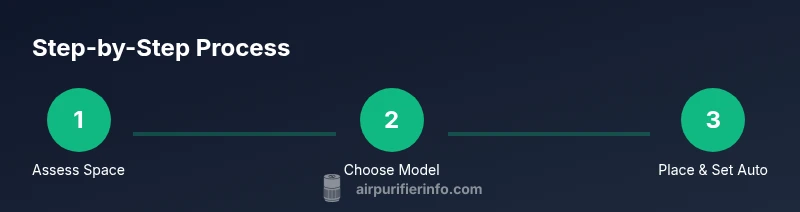
To filter air with Dyson, start with a purifier that uses true HEPA filtration plus an activated carbon layer. Place it in a central, open area away from walls, run on Auto or Turbo as needed, and replace filters when the indicator or app signals. Regular cleaning of the grills helps maintain strong airflow and filtration.
Why filter air with Dyson matters
If you're wondering how to filter air with dyson in your home, you're not alone. Indoor air quality affects allergies, odors, and overall comfort, especially in rooms with pets, cooking, or heavy dust. Dyson purifiers combine mechanical filtration with smart sensors to continuously monitor particle levels and adjust filtration speed. According to Air Purifier Info, choosing a model with true HEPA filtration plus an activated carbon layer offers broad coverage for dust, dander, and odors. In many homes, especially those with children or roommates who suffer from allergies, the right purifier can dramatically reduce irritants and improve daily comfort. The Dyson family of purifiers emphasizes sealed filtration and controlled airflow to prevent leaks and maximize capture of fine particles. This article focuses on practical, stepwise guidance you can apply to most Dyson models without guessing.
How Dyson filtration works: HEPA + carbon
Dyson purifiers typically combine a true HEPA filter with a layer of activated carbon. The HEPA filter captures at least 99.97% of particles as small as 0.3 microns, including dust, pollen, and pet dander. The activated carbon layer adsorbs volatile organic compounds (VOCs), cooking odors, and smoke molecules, reducing corresponding smells and irritants. Together, these components create a containment system that improves air quality in both occupied and unoccupied spaces. For homeowners, this means fewer sneezes, clearer lungs, and more comfortable breathing, especially during peak pollen seasons or after cooking. Regular maintenance ensures the seal remains intact and filtration remains effective, which is essential for achieving consistent IAQ improvements over time.
Choosing the right Dyson model for your room
Room size, ceiling height, and layout influence which Dyson purifier will perform best. Look for models that advertise true HEPA filtration plus an activated carbon layer and check the recommended room size range. For open-plan spaces, consider purifiers with higher CADR (clean air delivery rate) capabilities or multiple units because airflow circulates differently in larger areas. If your home has strong cooking odors or tobacco smoke, prioritize models with robust carbon filtration and odor control features. Remember that the most important factor is ensuring the unit has a good seal, unobstructed intake, and accessible filter replacement so performance remains consistent.
Placement and setup for optimal filtration
Place the purifier in a central, unobstructed spot rather than tucked into a corner. Maintain at least 1–3 feet of clearance on all sides and avoid placing it directly against walls or furniture. Elevating the unit slightly off the floor can improve intake and distribution, particularly in rooms with varied floor levels. If the room is large, consider using two units or a model designed for bigger spaces. Keep doors and windows closed during operation to prevent short-circuiting of the filtration process. Power the purifier, connect to any app if available, and configure Auto mode to let sensors manage speed automatically.
Maintenance and filter replacement schedule
Filter replacement timing depends on usage, air quality, and model. Most purifiers notify you when the HEPA or carbon filters approach the end of their usable life, but you can establish a proactive schedule based on hours of operation and environmental conditions. Typical practice involves inspecting filters every 1–3 months and replacing them every 12–24 months, depending on model and household factors. When replacing, ensure you install the correct filter type for your Dyson purifier and reset any maintenance indicators.
Cleaning exterior surfaces and airflow paths
Dust and debris can accumulate on intake grilles and around the exhaust over time, reducing efficiency. Regularly wipe the exterior with a soft microfiber cloth to remove dust and avoid moisture. Use a gentle brush attachment to clear dust from grills without bending delicate fins. Never use aggressive cleaners that could damage seals or filters. A clean unit not only filters more effectively but also reduces noise caused by clogged components.
Troubleshooting common issues and myths
If you notice reduced airflow, check for obstructions around the intake and exhaust, verify the unit is within its recommended operating range, and confirm the filters are properly seated. If the indicators show a filter issue, consider replacing the cartridge with the correct Dyson model filter type. Some users assume that all odors vanish immediately; in reality, total deodorization depends on the room’s volume and initial odor level. Trust the built-in sensors and app data to guide adjustments rather than relying on guesswork.
Advanced tips: integration with other IAQ strategies
Combine Dyson filtration with other indoor air quality practices. Use range hoods and exhaust fans during cooking to minimize smoke and VOC load; open windows briefly for ventilation when outdoor air is clean. Regular vacuuming with a HEPA-filtered vacuum helps reduce dust levels that sensors detect. Finally, maintain overall humidity around 40–60% to prevent dust mite growth and mold risks, complementing the purifier's efforts.
Tools & Materials
- Dyson purifier with True HEPA filtration(Ensure model includes HEPA filter and activated carbon layer)
- Replacement filter cartridge (HEPA + activated carbon)(Use the filter type recommended by Dyson for your model)
- Soft microfiber cloth(For gentle cleaning of exterior surfaces and grills)
- Measuring tape(Helpful to estimate room size for model selection)
- Smartphone with Dyson Link app (optional)(Allows monitoring IAQ and remote control)
- Vacuum with HEPA filter (optional)(Useful for initial dust cleanup in the room)
- Basic outlet strip or surge protector(Ensure a stable power source and avoid overloading)
Steps
Estimated time: 60-90 minutes
- 1
Assess room and purifier suitability
Measure the room dimensions and compare with the purifier's recommended coverage. Choose a Dyson model that matches room size and needs for dust, dander, and odors. This ensures effective air cleaning without overworking the unit.
Tip: If unsure, start with Auto mode and observe the unit over 24 hours to gauge comfort and noise. - 2
Place purifier in a central open area
Position the purifier away from walls and obstructions to optimize intake. Aim for mid-room placement and avoid corners to maximize airflow and even air distribution.
Tip: Maintain at least 1–3 feet clearance on all sides for best performance. - 3
Plug in and connect to the app (optional)
Power on the unit and, if available, connect to the Dyson Link app. This allows real-time air quality monitoring and remote scheduling for maintenance reminders.
Tip: Check for firmware updates during initial setup. - 4
Set up and run Auto or Turbo modes
Start in Auto mode to let sensors adjust fan speed automatically. Use Turbo briefly when you notice strong odors or dust events, then revert to Auto for ongoing balance.
Tip: Document a baseline: how air feels an hour after setup to gauge improvements. - 5
Replace filters on schedule
Follow the filter indicators or manual schedule to replace HEPA and carbon filters as needed. Improper filtration reduces efficiency and may extend times to reach target IAQ.
Tip: Reset maintenance indicators after replacing filters. - 6
Clean grills and exterior surfaces
Wipe the intake and exhaust grills with a microfiber cloth monthly to prevent dust buildup that can hinder airflow.
Tip: Do not use liquids directly on the filter housing. - 7
Verify air quality improvements
Check sensors or app dashboards after a few hours to confirm improvements in PM2.5 and VOC readings, adjusting placement if necessary.
Tip: Keep doors and windows controlled to ensure measurements reflect indoor air, not outdoor fluctuations.
Questions & Answers
Does Dyson purifiers use true HEPA filters?
Yes. Many Dyson purifiers utilize a true HEPA filter along with an activated carbon layer to target particulates and odors. Check your model's specifications to confirm the exact filtration stack.
Most Dyson purifiers use a true HEPA filter with carbon for odors. Check your model to confirm the exact filtration setup.
How often should I replace the filter?
Replacement frequency depends on usage and air quality. The purifier will signal when the filter nears end of life, but a typical range is annually for HEPA and carbon components with heavy daily use.
The purifier will signal when replacement is due; typical use calls for about a yearly replacement for HEPA and carbon parts.
Can I use Dyson purifier in a large open-plan room?
Yes, but you may need a more powerful model or multiple units for very large spaces. For open plans, check the purifier’s maximum recommended room size and CADR values.
In bigger spaces, you might need a stronger model or more than one purifier to cover the area effectively.
Do Dyson purifiers remove VOCs and odors?
Activated carbon in Dyson purifiers helps reduce odors and VOCs, complementing the HEPA filter's particle capture. Odor removal depends on the concentration and room ventilation.
Carbon filters help with odors and VOCs, alongside the HEPA filter for particles.
Is Dyson Link app required for best results?
The app is optional but helpful. It provides IAQ data, scheduling, and maintenance reminders, making it easier to optimize performance.
The app isn’t required, but it makes monitoring air quality and scheduling maintenance easier.
Watch Video
Main Points
- Choose true HEPA + carbon for broad IAQ coverage
- Place purifier centrally with clearances for best airflow
- Use Auto mode for daily efficiency and brief Turbo for odors
- Monitor IAQ with app and replace filters as recommended
- Maintain unit hygiene with monthly exterior cleaning