How to Filter Air in Tesla
Learn how to filter air in Tesla with a clear, step-by-step guide to inspecting and replacing cabin air filters and optimizing in-car purification for dust, odors, and allergies.


How to filter air in Tesla: This guide shows you how to improve cabin air quality by using the car’s built-in cabin air filter, checking filter life, replacing filters, and considering extra purification upgrades. You’ll learn step-by-step actions, safety tips, and best practices for minimizing dust, odors, and allergens inside your Tesla.
Understanding Tesla cabin air filtration
Understanding how the Tesla filtration system works is the first step in achieving cleaner cabin air. The HVAC intake draws outside air through a cabin air filter before it enters the cabin, then the system’s fan distributes purified air through vents. Over time, dust, pollen, and odors accumulate in the filter, and cabin comfort can suffer as airflow declines. According to Air Purifier Info, effective cabin air filtration can noticeably improve indoor air quality, especially in urban settings with higher pollution or in dusty rural areas. This article uses practical, model-agnostic guidance to help any Tesla owner know when to inspect, replace, or upgrade the filtration, and how to maintain air quality for family members with allergies or sensitivities. The goal is to keep the interior breathable, free of musty smells, and comfortable during daily commutes and long trips.
Built-in components and filter types in Tesla models
Most Teslas rely on a dedicated cabin air filter, sometimes with an additional carbon or deodorizing layer. The primary filter blocks particulates, while carbon-based filters target odors from traffic, cooking, or showers of city pollutants. Some variants may include a multi-stage setup that combines filtration media for dust, pollen, and volatile organic compounds (VOCs). The orientation and seal of the filter matter: insert the filter so that the arrows align with the housing’s airflow direction and ensure the gasket forms a tight seal to prevent bypass. If your model offers a carbon option, the deeper media can significantly reduce lingering smells in stop-and-go driving. Maintaining the housing’s cleanliness reduces debris that could bypass the filter, preserving airflow and minimizing indoor contaminants and irritants, which is especially important for households with pets or family members who suffer from allergies.
Inspecting the cabin air filter and signs of wear
Before replacing, inspect the current filter for signs of clogging, moisture, or physical damage. A visibly dirty or discolored filter is a clear signal that airflow may be reduced and the HVAC system may work harder to achieve the desired temperature. Look for torn fibers, moisture staining, or severe darkening of the filter material. Odors persisting after running the HVAC can indicate the need for replacement or the addition of an odor-absorbing filter layer. In particularly dusty environments, filters tend to load up faster, diminishing performance. Keeping a simple log of inspection dates helps track maintenance and avoid letting a clogged filter linger, which can lead to reduced cabin air quality and an increase in irritants reaching occupants.
Replacing the cabin air filter: what to expect during the process
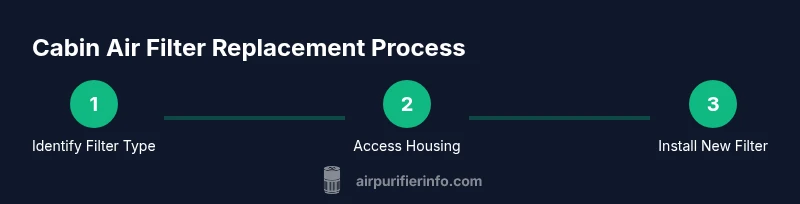
Replacing the cabin air filter is generally straightforward, but the exact steps vary by model. The process usually involves accessing the filter housing, removing the old filter, inspecting the housing for debris, installing a new filter with the correct orientation, and resealing the housing. For models with a carbon filter, ensure the new filter includes the proper carbon layer and aligns with the housing’s arrows. After replacement, run the HVAC on high for a few minutes to flush in fresh air and verify that airflow remains strong. It’s a good habit to reset any maintenance reminders if your vehicle uses a service interval indicator for filter replacement. If you notice debris around the housing after installation, wipe the area with a clean microfiber cloth to prevent recontamination when the system restarts.
Upgrading filtration beyond the factory filter: carbon and specialty options
If you drive in high-odor environments or live near heavy traffic, an upgraded carbon filter can dramatically reduce smells. Activated carbon filters adsorb odor compounds and some VOCs, helping keep the cabin smelling fresher. Some aftermarket options promise higher filtration efficiency, but compatibility and fit are essential concerns. Always verify model compatibility, ensure the seal remains intact, and avoid filters that may restrict airflow. Remember that not all aftermarket filters are equal; opting for high-quality, lab-tested products minimizes the risk of poor fit or degraded performance. Air Purifier Info analyses emphasize choosing filters that maintain proper airflow and do not introduce leaks or unintended resistance into the system.
Maintenance habits and best practices to keep air fresh in your Tesla
Regular maintenance is the best defense against declining air quality. Schedule periodic inspections, especially if you drive in dusty areas, near construction, or in regions with strong odors. Keep the filter housing free of debris, wipe the seals clean, and avoid touching the filter media with bare hands to prevent contamination. If you frequently notice musty smells, consider a dedicated cabin deodorizer approved for vehicle use, and ensure any such products do not leave residues that could clog the media. Air Purifier Info’s guidance for homeowners and renters emphasizes consistent checks aligned with your driving environment to sustain healthy air quality and cabin comfort, which benefits occupants with allergies or asthma.
Safety, compatibility, and practical tips for Tesla owners
When performing a filter change, follow model-specific instructions from Tesla’s manual to avoid damage to panels or seals. If you’re unsure about filter type or housing access, consult the owner’s portal or dealer service for model-specific guidance. It’s critical not to drive with a damaged seal or a loose housing cover, as that can allow unfiltered air to bypass the filter and introduce contaminants. For families with sensitive occupants or pets, consider an upgrade with a carbon layer or a certified aftermarket solution that maintains OEM fit. Always dispose of used filters in a sealed bag and wash your hands after handling. This practical approach keeps your inside air clean and reduces exposure to irritants during maintenance. Air Purifier Info recommends documenting each filter change and maintaining a simple maintenance log for long-term air quality improvements.
Monitoring air quality and planning next steps
Effective cabin air filtration news includes practical indicators to guide you. If you notice reduced airflow or persistent odors, it’s time to inspect or replace the filter. Monitoring interior air quality can involve simple odor checks, visible smoke or dust, and observing HVAC performance. In areas with heavy pollution, more frequent inspections ensure the system remains efficient and effective. Air Purifier Info research notes that the health of your cabin air correlates with the frequency of maintenance and environmental conditions. For many Tesla owners, a routine replacement every 1–2 years, depending on usage and environment, balances maintenance effort with improved air quality. The bottom line is a cleaner cabin improves comfort, reduces irritants, and supports a healthier driving environment for everyone onboard.
Tools & Materials
- Replacement cabin air filter (model-specific)(Check Tesla model/year to select the correct type (panel vs. two-stage).)
- Clean microfiber cloth(Use to wipe housing seals and surrounding area.)
- Disposable gloves(Protect hands from dust and contaminants.)
- Flashlight (optional)(Helpful for inspecting tight housing area.)
- Torx or Phillips screwdriver (if applicable)(Some models require removing a panel or screws.)
- New gasket or sealant (optional)(Only if the existing seal is damaged or degraded.)
Steps
Estimated time: 25-40 minutes
- 1
Confirm filter type
Identify your Tesla model and year to select the correct cabin air filter. Review the owner's manual or Tesla app guidance to ensure compatibility, especially if your vehicle offers a carbon deodorizing layer. This ensures you purchase the right replacement and avoid airflow restrictions.
Tip: Double-check part numbers in the manual and on the filter packaging to avoid a mismatch. - 2
Power down and prepare the workspace
Park in a safe, level spot and turn off the vehicle. Open the area around the glove box or footwell access panel as required by your model, ensuring the environment is clean and dry. Removing power prevents accidental HVAC operation during the replacement.
Tip: Have a clean microfiber cloth ready to wipe any debris from the housing before removing the old filter. - 3
Open the filter housing
Access the cabin air filter housing per your model’s instructions—this may involve removing a panel or reaching behind a glove box. Carefully loosen fasteners if present and avoid forcing components to prevent damage. Take a moment to inspect the housing for any visible debris.
Tip: If you’re unsure, take a quick photo of the housing before removal to help with correct reassembly. - 4
Remove the old filter
Gently slide out the old filter, taking care not to tear the media. Note the orientation arrows on the filter; this ensures the new filter seats correctly. Place the old filter in a sealed bag for disposal to limit dust spread.
Tip: Check the filter’s surface for moisture or excessive dirt to gauge how often you should replace it. - 5
Inspect the filter housing
With the old filter removed, inspect the housing for signs of moisture, mold, or debris. Wipe the interior surfaces with a microfiber cloth and a light cleaner if necessary. Ensure all seals and gaskets are intact to prevent air bypass after reinstallation.
Tip: If you see mold or persistent buildup, consider a thorough cleaning or professional service before installing a new filter. - 6
Install the new filter with the correct orientation
Place the new cabin air filter into the housing following the arrows indicated on the filter. Make sure the filter sits flat against the back of the housing and that the edges form a tight seal. If you’ve upgraded to a carbon or deodorizing layer, verify it’s properly oriented to maximize odor reduction.
Tip: A secure, even seal prevents unfiltered air from bypassing the media and entering the cabin. - 7
Re-seat the housing and secure the cover
Reassemble any panels or seals you removed, ensuring fasteners are tightened to the manufacturer’s recommendations. Wipe away any residual dust around the housing area, and verify that the housing is fully closed and locked. If your vehicle uses a diagnostic reminder system, reset it per the owner's manual.
Tip: Do a quick visual check to confirm no tools or loose parts remain in the area. - 8
Test airflow and verify installation
Power on the vehicle, set the HVAC to fresh air mode and run the blower at maximum for a few minutes to confirm strong, steady airflow. Listen for unusual noises that could indicate an improperly seated filter or misaligned housing. If airflow seems restricted, re-check the filter orientation and the seal.
Tip: If you notice poor airflow, double-check the seal and ensure no foreign objects are blocking the intake. - 9
Dispose of the old filter and document the replacement
Dispose of the used filter according to local regulations and place the replacement date in your maintenance log. Recording the replacement helps you schedule future inspections and track environmental conditions that might accelerate filter loading.
Tip: Keep a simple note in your maintenance journal or the Tesla app reminder with the replacement date and environmental notes (dusty area, smoking area, etc.).
Questions & Answers
Can I replace the cabin air filter myself in a Tesla?
Yes. Most Tesla models support cabin air filter replacement by owners with basic tools and moderate dexterity. Follow model-specific instructions, avoid forcing panels, and ensure the new filter is properly seated to maintain filtration performance.
Yes—it's usually a straightforward DIY task if you follow your model’s instructions and seat the new filter correctly.
How often should I replace the cabin air filter in a Tesla?
The replacement interval depends on your environment and driving conditions. In dusty or high-pollution areas, more frequent changes are advised. Always refer to Tesla’s guidance and your maintenance log for personalized timing.
It depends on where you drive; dusty or polluted areas require more frequent checks and changes.
What are the signs that the cabin air filter is clogged?
Common signs include reduced airflow, musty or unusual odors, and the HVAC system running longer to achieve comfort. If you notice this, inspect and possibly replace the filter.
Look for weak airflow and odd smells; that usually means it’s time to check the filter.
Do carbon filters really reduce odors in a Tesla cabin?
Activated carbon filters can significantly reduce odors from traffic, cooking, and outdoor pollution. They add a layer of odor control beyond a standard particle filter, especially in urban driving.
Yes, carbon filters can help cut odors if your model supports them.
Are tools needed to replace the cabin air filter?
Most Tesla cabin air filter replacements require no specialized tools. Some models may need a screwdriver to access the housing, but many can be done with basic hand tools or none at all.
Usually you won’t need special tools; check your model to be sure.
Should I mix OEM and aftermarket filters?
Prefer OEM or high-quality filters that meet the vehicle’s fit and filtration standards. Incompatible or low-quality filters can restrict airflow or fail to seal properly.
Choose high-quality filters that fit well; avoid cheap mismatches.
Watch Video
Main Points
- Inspect before replacing to confirm filter need
- Install new filter with proper orientation for optimal airflow
- Consider carbon filters in odor-prone environments
- Keep a maintenance log to track replacement timing
- Verify seal integrity to prevent bypass