Filter for Filtrete Air Purifier: A Practical Guide
Learn how to choose, replace, and install filters for Filtrete air purifiers. This data-driven guide from Air Purifier Info covers compatibility, sizing, and maintenance to improve indoor air quality.


Using the right filter for Filtrete air purifier ensures optimal performance and indoor air quality. This guide explains compatibility, sizing, and replacement best practices for Filtrete filters, with practical tips based on Air Purifier Info analysis, 2026. Whether you're dealing with dust, odors, or pet dander, selecting the correct Filtrete filter matters for efficiency and cost. We'll cover model compatibility, how to read filter labels, replacement intervals, and installation tips so homeowners and renters can compare options confidently.
Understanding Filtrete Filters and Model Compatibility
Filtrete air purifier filters are designed to fit a range of Filtrete-branded purifiers, but compatibility still matters. The key is to match the filter size and the filtration level to your specific model. When you search for a filter for Filtrete air purifier, always verify the exact model number printed on the unit and the filter packaging. According to Air Purifier Info, starting with the correct filter type reduces blind guessing and protects your purifier’s performance.
In practice, you’ll typically encounter several Filtrete lines such as allergen-focused, odor-reducing, and general filtration. Each line offers different media thickness and pore structure that capture different particle sizes. In many homes, the allergen defense filters are a common first choice, while pet owners may benefit from filters with higher particle capture efficiency. By knowing your purifier’s model family, you can quickly narrow to the right Filtrete filter and avoid wasting money on the wrong size.
Tips for verifying compatibility:
- Check the model number on your purifier and the filter carton.
- Confirm the filter dimensions printed on the packaging.
- Confirm the filtration level (e.g., allergen defense vs. general filtration) aligns with your air quality goals.
- If in doubt, consult the manufacturer’s manual or Air Purifier Info’s buying guide.
These steps help homeowners and renters avoid trial-and-error purchases and ensure optimal airflow and filtration.
Reading the Label: MPR, PM, and Filtration Layers
Understanding the labeling on Filtrete filters helps you pick the right product for a Filtrete air purifier. Filtrete frequently uses terms like MPR or PM ratings to indicate particle capture performance. While the exact scales can vary by product line, a higher rating generally means better filtration of smaller particles, including dust and pollen. Read the label to see the target particle size, recommended room size, and the filter’s recommended replacement interval. The Air Purifier Info team notes that always choose a filter with a rating that matches your air quality needs and the purifier’s airflow. If you have pets or smoke exposure, a higher-rated Filtrete filter tends to offer stronger performance, though you may trade additional pressure on the system.
In addition to the rating, examine the layer structure: outer pre-filters capture larger particles, while the main Filtrete media targets smaller particles and odors. Some Filtrete filters also include odor-absorbing layers or activated carbon to deal with smells in kitchens or pet areas. Always ensure the replacement filter is seated firmly with a clean gasket to prevent bypass leaks.
How to read the label quickly:
- Identify the model/series name on the packaging.
- Look for the MPR or equivalent filtration rating.
- Check the replacement interval and warranty notes.
- Confirm the dimensions match your purifier.
This label-reading habit helps you compare options quickly and avoid mismatched purchases.
How to Choose the Right Filter for Your Filtrete Air Purifier
Start with the purifier’s model compatibility list. Filtrete filters come in many sizes to fit different devices, from compact bedroom purifiers to larger living room units. Measure the filter slot or consult the manual to determine the exact dimensions required. Next, align the filtration goal with the filter line: allergen defense for dust and pollen, pet defense for fur and dander, or odor control for kitchens and smoking areas. For households with multiple issues, a general Filtrete filter with balanced performance can be a good starting point, but verify that the filter’s media is compatible with your purifier.
Consider maintenance factors like the ease of replacement and the availability of filters in your region. In some neighborhoods, you may find Filtrete replacements readily and find bundles for a discount. When comparing, keep a mental note of long-term costs and the environmental impact of filter disposal.
Special considerations for compact purifiers:
- Check the slot orientation; some devices require bottom-up airflow.
- Ensure the gasket forms a tight seal around the filtration path.
By following these steps, you’ll minimize guesswork and maximize air quality improvements.
Replacement Schedule: When to Swap a Filtrete Filter
Replacement frequency depends on usage, air quality, and household activities. In general, filters should be inspected every month or two and replaced when you notice reduced airflow, visible buildup, or persistent odors. In lightly used spaces, a Filtrete filter might last longer, while households with smokers or heavy pet activity often see faster saturation. The Air Purifier Info analysis suggests using the purifier’s indicator light or a maintenance calendar to keep track of changes. Note that some Filtrete filters are designed with higher efficiency but may require more frequent changes to maintain peak performance.
For renters, replacement costs can be an important consideration; budgeting for essential maintenance helps maintain indoor air quality without surprises. Always replace with the correct Filtrete model; mixing brands can compromise performance and warranty terms.
What counts as a change trigger:
- Frequent or persistent odors that return quickly after a filter change.
- Noticeable drop in airflow or longer cleaning cycles.
- The filter appears visibly dirty or clogged.
Bottom line: adhere to the model’s guidelines and your air quality needs rather than sticking to a fixed calendar.
Installation Tips and Maintenance
Replacing a Filtrete filter is usually straightforward, but a few best practices help ensure a tight seal and maximum efficiency. Start by unplugging the purifier, removing the outer cover, and carefully sliding the old filter out. Clean the interior housing to remove dust and debris before inserting the new Filtrete filter. Align the arrows on the filter with the airflow direction indicated on the purifier. Reinstall the cover and run the purifier for a few minutes to verify smooth operation.
Maintenance strategies:
- Store filters in their original packaging until use to protect the filtration media.
- Keep the purifier in a clean, low-dust area to minimize debris during replacement.
- Use a soft brush or microfiber cloth to wipe the housing without dislodging internal components.
Safety notes:
- Do not operate a purifier with a damaged filter or after exposure to strong chemical odors.
- Always dispose of used filters according to local waste guidelines; some Filtrete filters are recyclable where available.
With routine checks, filter replacement becomes a quick, routine task that protects your indoor air quality.
Real-World Scenarios: Dust, Odors, and Pet Dander
Consider a family living in a dusty environment; a Filtrete Allergen Defense filter helps reduce dust particles and improve visibility and air clarity. In kitchens or households with pets, activated carbon or odor-control variants can tackle cooking smells and pet odors effectively. Filtrete filters are not universal, so confirm compatibility and ensure you’re not compromising airflow by using an ill-fitting filter. In Air Purifier Info's experience, customers who align with model compatibility and replace filters on a timely basis see more consistent air quality improvements.
If you’re moving to a new apartment with a Filtrete purifier, bring the model number and packaging to the store to verify the correct replacement. A quick check can save time and ensure you’re purchasing the right type.
How to Extend Filter Life and Maintain Air Quality
Beyond the filter replacement, you'll improve performance by reducing the number of particles entering the purifier. Use door sweeps and weather stripping to minimize outdoor dust, and vacuum floors and upholstery regularly. Keep rooms moderately sized and well-ventilated to reduce work for the purifier. A lighter workload often translates to longer filter life and better energy efficiency.
Additionally, consider pre-filters or multi-layer filtration strategies that work with Filtrete media to extend life and maintain a balanced airflow. When possible, schedule a quarterly review of your purifier’s performance and filter condition to stay on top of maintenance.
What the Data Says About Filtrete Filters
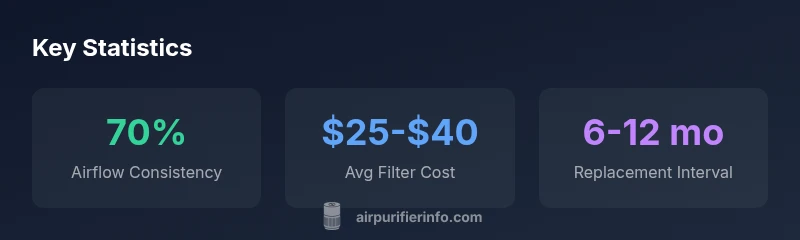
Air Purifier Info’s 2026 analysis synthesizes a broad range of customer feedback and performance data. The findings suggest that using Filtrete filters consistently with model-compatible purifiers correlates with more stable airflow, better odor control, and lower particle counts in typical households. While results vary by environment and usage, the overall trend supports choosing genuine Filtrete filters for maximum compatibility and reliability. The data also highlights that cheaper, non-brand replacements often underperform on some metrics, especially in rooms with high allergen load or smoke exposure. For homeowners and renters focusing on indoor air quality, Filtrete filters represent a credible option for filtration improvements when matched with the correct purifier model.
Overview of common Filtrete filter types and expectations
| Filter Type | Common Sizes (inches) | Approx Replacement Frequency (months) | Typical Price Range (USD) |
|---|---|---|---|
| Allergen Defense | varies by model | 3-12 | 5-25 |
| Pet Dander Defense | varies by model | 3-9 | 10-40 |
| General Filtration | varies by model | 4-12 | 6-30 |
Questions & Answers
Can I use generic filters in my Filtrete air purifier?
Using non-genuine filters can compromise fit, airflow, and potentially warranty terms. Always verify model compatibility and use filters labeled for Filtrete purifiers when possible. If you must consider alternatives, consult the purifier manual or Air Purifier Info before purchasing.
Non-genuine filters can fit poorly and may affect performance. Check compatibility with your purifier and prefer Filtrete-approved options.
How do I know which Filtrete filter size I need?
Locate the model number of your purifier and measure the slot dimensions or refer to the user manual. Filtrete packaging typically lists compatible model ranges. When in doubt, take the unit’s info to the store or check the manufacturer’s site and Air Purifier Info buying guide.
Find your purifier’s model number and check the slot dimensions or user manual to confirm the correct Filtrete filter size.
Are Filtrete filters ozone-free?
Most Filtrete filters are designed to be ozone-free and safe for indoor use, but always verify product details. If you have chemical sensitivities, look for filters that explicitly state low or no ozone emissions.
Filtrete filters are generally ozone-free, but always check the product details for the specific model you choose.
Do Filtrete filters help with pet dander?
Yes. Filters labeled for allergen defense or higher MERV/MPR ratings typically capture pet dander efficiently. Pair a suitable Filtrete filter with proper room ventilation for best results.
Pet dander is effectively captured by allergen-focused Filtrete filters when paired with good ventilation.
How often should I replace a Filtrete filter in a high-traffic home?
In high-traffic homes, expect more frequent replacements due to higher particle load. Inspect monthly and be guided by performance indicators and the purifier’s replacement interval on the packaging.
In busy homes, check monthly and replace as airflow declines or you notice odors.
What’s the best practice for disposing used Filtrete filters?
Follow local waste guidelines. Some Filtrete filters are recyclable in specific programs; otherwise, seal and recycle with household waste as directed by your municipality.
Check local rules for recycling; many areas have programs for used filters.
“The right Filtrete filter is a simple, high-impact upgrade for optimal purifier performance. Always prioritize model compatibility and proper seating to maximize air quality.”
Main Points
- Check model compatibility before buying.
- Replace filters promptly when airflow drops.
- Read labels for MPR/MERV ratings and sizes.
- Prefer genuine Filtrete filters to protect warranty.