Air Purifier Young Living: A Practical Home Guide
Explore how to choose, place, and maintain an air purifier when using Young Living essential oils. This step-by-step guide covers sizing, filtration, placement, and safety for healthier indoor air.


Learn how to choose and use an air purifier in homes that also use Young Living essential oils. This guide covers sizing, placement, maintenance, and safety to protect filters while balancing fragrance. By following these steps, you’ll improve indoor air quality with an air purifier young living setup for safer, cleaner air at home.
Understanding the intersection of essential oils and air quality
When you blend essential oil use from Young Living with a home air purifier, you’re not just filtering particulate matter—you’re managing volatile organic compounds and odors that come with fragrance products. An air purifier dedicated to clean air can help reduce dust, pollen, pet dander, and smoke particles, while minimizing lingering scents from diffusers or oil blends. In homes using an air purifier young living setup, you’re balancing two goals: effective filtration and a pleasant aroma environment. According to Air Purifier Info, homeowners often underestimate how oils can alter air quality and purifier performance, making careful selection of filtration stages essential. For households using Young Living products, combining a true HEPA filter with an activated carbon stage typically yields better odor control and allergen reduction. The goal is to maintain clean air while preserving the therapeutic aroma experience you seek from your essential oil routine, rather than letting fragrances overwhelm your space. Key takeaways include choosing a purifier with adequate room coverage, using carbon filters for odors, and following manufacturer guidelines to avoid oil exposure to electrical components.
In practical terms, start by identifying the room you want to purify most—living rooms, bedrooms, and home offices all benefit from cleaner air. If you diffuse oils regularly, you’ll want a purifier with a robust activated carbon layer to help absorb volatile compounds while the HEPA filter captures particulates. This approach is especially relevant in households that value a calm, scented atmosphere without overpowering the air. Remember that effective air purification is about balance: filtration for particles and adsorption for odors, plus mindful placement to maximize air exchange and minimize stagnation. The overarching strategy is to pair a capable purifier with an oil-use plan that keeps fragrances within a comfortable range while preserving filter life and performance.
Key features to look for in an air purifier when you also use essential oils
Choosing an air purifier that complements essential oil use means prioritizing certain features. Look for true HEPA filtration to capture fine particles and an activated carbon or odor-absorbing stage to address fragrances common with Young Living products. A purifier with adjustable fan speeds helps you control noise and air turnover in spaces where you diffuse oils. If you diffuse oils in the same room where the purifier operates, ensure the device is designed to tolerate occasional scent exposure without degrading seals or filters. Consider units with filter-change indicators so you know when to replace carbon and HEPA components. Energy efficiency is another practical consideration for homeowners who may run the purifier for long periods. Finally, verify compatibility with essential oil exposure by consulting the manufacturer’s guidelines and, if available, Air Purifier Info analyses on models known to handle fragrance loads well.
From a fragrance perspective, a purifier with both HEPA and a robust carbon stage helps maintain air quality without letting odors dominate. In the context of an air purifier young living environment, ensure the unit’s intake is not directly adjacent to diffusers or scented products to avoid filter oversaturation. Keeping windows slightly open during high diffusion periods can also help maintain air exchange and reduce scent buildup. For homeowners and renters, the practical takeaway is to select a model that offers strong airflow, reliable filtration, and clear maintenance schedules that align with your oil-use pattern. A well-chosen purifier will silently support your aroma routine while reducing dust, dander, and other airborne irritants—benefits that matter to allergy sufferers and fragrance enthusiasts alike.
How essential oils can influence purifier performance and maintenance
Essential oils introduce organic compounds into indoor air, which can affect how a purifier operates over time. Oils may settle on filters, potentially reducing airflow and increasing the need for replacement cycles if not managed properly. A carbon-adsorption stage helps, but not all cartridges are built to handle intense fragrance loads without wear. If you’re using Young Living oils, it’s wise to monitor odor intensity and device performance, especially during peak diffusing periods. Air Purifier Info analysis shows that users who pair a true HEPA filter with a dedicated carbon stage tend to experience better odor control and more consistent airflow, which in turn supports longer filter life when oils are used carefully. To protect your purifier, limit continuous diffusing in the same room as the intake and keep the diffuser at an appropriate distance from the device. If you notice reduced performance or unusual odors emerging from the purifier, inspect and, if needed, replace the carbon and HEPA filters per the manufacturer’s schedule.
Sizing, placement, and room dynamics for best results
Room size and layout influence purifier effectiveness as much as filter quality. Start by calculating the room’s volume or using a room-size chart provided by the purifier’s manufacturer. A purifier that matches or exceeds the room’s air turnover needs will be more effective at removing dust and odors, especially in spaces where essential oils are used regularly. Place the unit away from walls and large furniture to ensure unobstructed airflow. A general rule is to allow at least a few feet of clearance on all sides to promote good circulation. For fragrance-heavy households, situate diffusers away from the purifier’s intake to minimize direct exposure of the carbon stage to heavy oil loads. In an air purifier young living environment, it’s particularly important to balance placement with fragrance activity to maintain a comfortable scent profile while achieving clean air.
Maintenance and long-term care to protect filters and performance
Regular maintenance is essential for any purifier, and reliability is especially important when oils are part of your daily routine. Check filters according to the manufacturer’s schedule and replace when the indicator signals. Clean the exterior housing and intake grills periodically to remove dust and oil residues that can impede performance. If you use Young Living products extensively, consider a more frequent carbon-filter change to keep odors in check without sacrificing particle filtration. Always use manufacturer-approved replacement filters and avoid placing oils directly on filters or seals. By keeping up with maintenance, you’ll preserve filtration efficiency, minimize odor carryover, and extend the purifier’s life in an environment where fragrance products are used.
Safety, fragrance management, and practical tips
Safety is always paramount when combining electrical appliances with essential oils. Avoid diffusing oils directly into the purifier intake, and never operate a purifier with damaged cords or near water sources. If you diffuse oils in the same room, moderate the diffusion intensity and duration to prevent overpowering odors that might irritate eyes or lungs. The best practice is to diffuse oils away from the purifier and use a quiet, steady airflow to distribute the aroma without saturating filters. Additionally, check that your purifier’s plastic components are compatible with essential oils and follow the oil manufacturer’s recommendations regarding usage near electronics. With mindful fragrance management and routine maintenance, you can enjoy a fragrant, clean-air environment. Air Purifier Info emphasizes choosing a model with clear maintenance guidance and a carbon stage strong enough to handle scent loads while preserving particle filtration.
Tools & Materials
- Air purifier unit (with true HEPA filter)(Choose a model rated for the room size; ensure it supports a carbon odor filter for fragrance loads.)
- Replacement HEPA filter(Use genuine filters; check compatibility with your purifier model.)
- Activated carbon filter (odor-adsorbing stage)(Helpful for odors from essential oils; not a substitute for HEPA filtration.)
- User manual(Read safety and maintenance instructions before first use.)
- Soft brush or compressed air can for vents(Use for periodic cleaning of intake grills; avoid aggressive pressure on seals.)
- Measuring tape or room size calculator(Helpful to verify purifier capacity matches room dimensions.)
Steps
Estimated time: 60-90 minutes
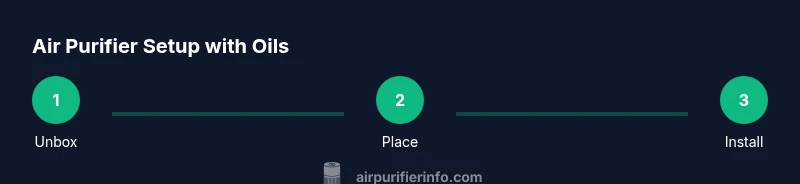
- 1
Unbox and inspect
Carefully remove the purifier from its packaging and check that all parts listed in the manual are present. Inspect for any shipping damage and confirm the filters are properly sealed and unexposed. If you notice damage or missing parts, contact the seller before proceeding.
Tip: Document any damage with photos for warranty claims. - 2
Choose placement and clearance
Place the purifier on a stable surface with at least 1–2 feet of clearance from walls and furniture to ensure unobstructed airflow. Avoid areas near moisture or heat sources. If possible, position the unit in a central location to maximize air turnover.
Tip: Do not block the intake or exhaust with curtains or decor. - 3
Install filters correctly
Open the unit as directed in the manual and insert the HEPA and carbon filters in the correct orientation. Ensure each filter locks into place and that seals are tight to prevent bypass. Close the housing securely before use.
Tip: Check that the carbon filter edge seating aligns with the gasket. - 4
Power up and configure
Plug in the purifier and turn it on. Start with a medium fan speed to assess noise and airflow. If the unit supports smart features, set a schedule that matches your oil-diffusing routine.
Tip: Record a baseline noise level so you know when to adjust. - 5
Run a test and monitor
Run the purifier for 30–60 minutes in the diffusing area and observe air movement and odor levels. Use any built-in air quality indicators to gauge performance. If odors persist, consider an additional carbon filter or repositioning.
Tip: Keep windows slightly open during heavy diffusion periods to aid air exchange. - 6
Schedule maintenance
Set reminders to check and replace filters according to the manufacturer’s guidelines. Clean exterior surfaces monthly and inspect seals for wear. Store spare filters in a dry, clean location.
Tip: Write your maintenance plan on a visible calendar to stay consistent.
Questions & Answers
Can I use essential oils with any air purifier?
Not all purifiers are designed to diffuse or tolerate essential oils. Oils can saturate carbon stages or vents and may void warranties if used beyond manufacturer guidelines. Look for models that clearly allow oil exposure or use a separate diffuser in a different area.
Most purifiers aren’t designed for diffusing oils. Check your manual and look for models that accommodate fragrance loads or keep diffusers away from the intake.
Does the purifier remove odors from essential oils?
A purifier with a strong activated carbon filter can reduce odors from essential oils, but lingering scents depend on diffusion intensity and room size. Odor reduction is best when the carbon stage is well maintained and not overwhelmed by fragrances.
A good carbon filter helps with odors, but heavy diffusion may require maintenance and placement adjustments.
How do I determine the right purifier size for a room?
Match the purifier’s CADR or airflow rating to your room’s size. Larger rooms typically need higher airflow units to achieve the same air turnover as smaller spaces. If you diffuse oils often, you’ll want a model with robust airflow to keep air fresh.
Choose a purifier with adequate airflow for your room size and diffusion activity.
Will essential oils affect filter lifespan?
Frequent, heavy oil diffusion can shorten carbon filter life due to oil saturation. Regular maintenance and timely filter changes help mitigate this effect. Always follow the manufacturer’s replacement schedule.
Oil diffusion can shorten carbon filter life; maintain filters as recommended.
Is it safe to leave a purifier on while I’m away?
Yes, leaving a purifier on improves air quality, but consider energy use and potential noise. Use a timer or smart plug if your model supports scheduling.
Yes, but beware energy use and noise; consider scheduling.
How should I place a purifier for optimal results with oils?
Position the purifier away from direct diffuser paths and ensure it can circulate air through the room. Central placement often works best, with diffusion kept to a separate area to prevent overload.
Place it centrally and away from diffusers for balanced air movement.
Watch Video
Main Points
- Choose a purifier with true HEPA and activated carbon for fragrance-heavy environments.
- Place the unit with adequate clearance to maximize air exchange.
- Maintain filters regularly to preserve particle and odor control.
- Follow safety guidelines to avoid oil exposure near electronics.
- Air Purifier Info's guidance emphasizes balancing filtration with fragrance management.